The 2025 Recording
In 2025, I released a new version of MEDICATION through Crooked Castle Studios.
My dad, Patrick Perry Patterson, played drums on the recording. He’s an excellent drummer, and we’ve worked together plenty of times over the years. Having him involved made sense to me.
The bed tracks were recorded live, and I wanted the song to keep its energy rather than overwork the arrangement.
John Paul Peters worked on the mix and master. I was very lucky to connect with JP just as he was finishing work on Propagandhi’s album At Peace. The timing worked out so well that I was able to release MEDICATION on the same day the Propagandhi record came out, May 2, 2025.
That was a pretty special bit of timing for me. Propagandhi have been an important band in politically conscious punk rock for years, and here I was, bringing a song I’d originally recorded on a tape deck in 2003 back into the world on the same day as their new record.
I hadn’t planned it that way. I was just lucky enough to connect with JP at the right time, and everything lined up.
The new recording gave the song more weight than the original tape could offer, but it was still the same song I wrote in 2003.
On August 20, 2025, I also released MEDICATION (REVOLUTION NOW!) [REMASTERED]. That was another version of the song, with a heavier sound.
I like being able to revisit my own material and hear where it can go. I don’t have a major label telling me what to release or when to stop working on something. I can follow an idea and see where it takes me.
For the current release, though, I’m focusing on the song simply called MEDICATION.
May we all let go of fear and see the truth and beauty of who we really are. It feels like an important time to remember that love is always stronger than hate, and a good time to celebrate the fact that there are so many beautiful ways to express the universal language that binds us together.
These are my current top 12 artists that I’ve been listening to the most.
These are my current top 12 artists that I’ve been listening to the most. It’s a pretty mixed list, but that’s usually how my taste works. I like music with feeling, personality, honesty and a bit of danger. Some of these artists have influenced me for years, while others are newer discoveries that I’ve been really enjoying lately.
- Mia Zapata / The Gits
- Stephanie-Nicole
- Delilah Bon
- Carsie Blanton
- Aurora
- Jenn Grant
- Burnt Black
- Martin Kerr
- Arlibido
- Propagandhi
- Macklemore
- Kurt Cobain / Nirvana
There’s a bit of everything in there. Punk, rock, folk, pop, protest music, strong songwriting and artists who aren’t afraid to say something real.
JOLENE — A TRIBUTE TO DOLLY PARTON
There are certain songs that become bigger than the people who write them. Jolene is one of those songs.
I recorded my own live-off-the-floor rendition of Dolly Parton’s legendary song as a tribute to one of the greatest songwriters, performers and cultural icons the world has ever known.
There was no attempt to replace what Dolly created. There couldn’t be.
I simply wanted to step into the song, strip it back, perform it honestly, and pay respect to the woman who gave it to the world.
Recorded live off the floor, this version is deliberately intimate and immediate — one performance, captured as it happened.
I released my rendition exclusively on YouTube as a tribute to Dolly Parton and to the enormous influence she has had on generations of musicians and listeners.
Dolly’s voice, songwriting and unmistakable presence have meant so much to so many people. Her songs have travelled across generations, genres and borders, and Jolene remains one of the clearest examples of her extraordinary ability to take a deeply human emotion and turn it into something timeless.
Dolly will be missed deeply.
Thank you, Dolly, for the songs, the stories, the laughter, the strength, the kindness and the music.
This is my small offering of respect.
Jolene — live off the floor, in honour of Dolly Parton.
Jamie Lee Patterson’s music spans decades, from late 1990s tape recordings to songs released today, many available to the public for the first time. Some are raw, some polished, each marking a point in an evolving catalogue.
The archive is not separate from the music. It is part of the journey.
Jamie Lee Patterson — Artist Biography & Career
Jamie Lee Patterson is a Canadian independent singer-songwriter and producer whose work spans more than two decades of songwriting, recording and live performance. His music moves between indie rock, folk, alternative and punk, combining raw recordings and live performances with more produced contemporary work.
Patterson’s catalogue reaches back to recordings made around the turn of the millennium and continues through new releases in 2025 and 2026. His approach has consistently emphasized independence, emotional honesty and the preservation of genuine performances rather than chasing conventional industry formulas.
Early Work
Patterson began writing, recording and performing music in the late 1990s. His catalogue includes early home recordings alongside material subsequently revisited, remastered and released years after the original performances.
One example is “Closer (Tape Deck – 1999),” released decades after its original recording. His lo-fi home recordings collection similarly preserves the character of his early work, including recordings made with little more than a guitar and microphone.
Live Performance
Patterson has performed in Canada and internationally, including appearances in Montreal and Brighton, England.
His Live at the Railway Inn, Brighton, England recordings document a 2019 performance and were subsequently remastered and released. Earlier live material includes A Search for a Sunny Day Project, recorded in Toronto in 2017.
These recordings form an important part of Patterson’s catalogue because they preserve the direct, imperfect and spontaneous qualities of his live performances.
Crooked Castle Studios
Patterson operates Crooked Castle Studios, an independent recording and production project through which he develops, records, remasters and releases his music.
The studio has also provided a home for collaborations with musicians from different backgrounds and locations. One notable project is the later version of “Eudora,” which brought Patterson together with members of his father’s band, alongside vocalist Stephanie Nicole. The recording was mixed by Toronto producer Dan Hosh.
Crooked Castle Studios represents Patterson’s commitment to maintaining control over his own recordings and releasing music independently.
Protest and Socially Conscious Music
A significant part of Patterson’s contemporary catalogue is concerned with social justice, human rights, war, inequality and resistance.
His song “MEDICATION” was originally written on March 20, 2003. Patterson subsequently revisited the recording and released new versions, including “MEDICATION (REVOLUTION NOW!) [REMASTERED]” in 2025.
Other songs, including “Kids Rights” and “Sick of It,” address political and social themes from different perspectives. Patterson’s protest music combines direct language with a broader interest in human behaviour, compassion, power and the possibility of social change.
Contemporary Catalogue
Patterson’s recent catalogue includes Paradigm Shift, MEDICATION, Soon It Will Be, Rumoured to be Alive (HH Sessions 2008), Imagination of Ourselves (Throwback Bedroom Demos) and DON’T FEED THE BAD WOLF, alongside numerous singles and remastered recordings.
His 2025 release “Soon It Will Be” combines indie-rock and folk elements with contributions from collaborators including Tim MacNeill, cellist Polina Faustova and vocalist Stephanie-Nicole.
His 2026 releases continue the practice of bringing both new material and previously recorded work into the current catalogue.
Artistic Approach
Patterson’s music deliberately occupies the space between polished production and raw documentation. His catalogue includes carefully produced recordings alongside bedroom demos, tape recordings and live performances.
Rather than treating those differences as inconsistencies, Patterson regards them as part of the history of the music.
His work is characterized by independence, experimentation, emotionally direct songwriting and a willingness to address uncomfortable subjects.
Jamie Lee Patterson continues to release music independently through Crooked Castle Studios, maintaining an active catalogue that connects his earliest recordings with his contemporary work.
DON’T FEED THE BAD WOLF — THE COLLECTION
On January 29, 2026, Jamie Lee Patterson released DON’T FEED THE BAD WOLF, a 15-song collection bringing together a broad span of his songwriting and recording history.
The album includes:
MEDICATION
Soon It Will Be
Sick of It
Kids Rights
P.A.S. (Plant a Seed)
Morning
Dear Jane
Eudora
All the World a Cigarette
Thank You
Song 8
Hidden Anarchy in the Woven Flower
Dark
The Poet
Heart Keeps Beating
The collection brings together songs from different periods rather than representing a single recording session or moment in time.
That is what makes DON’T FEED THE BAD WOLF important within Jamie Lee Patterson’s catalogue.
It functions as a collection, but also as a kind of map.
The songs move through protest, love, memory, anger, humanity, war, family and the continuing struggle to understand the world.
Some recordings are new.
Some reach back years.
Some have already existed in earlier forms.
Together they form a snapshot of an independent artist who has continued writing and recording outside the conventional release cycle.
Released through Crooked Castle Studios, DON’T FEED THE BAD WOLF is the latest chapter — not the end of the story.
SOON IT WILL BE — A LOVE LETTER TO NEW YORK
On December 31, 2025, at 11:11 AM, Jamie Lee Patterson released Soon It Will Be.
The song was originally written on Commercial Drive in 2010.
Its journey continued in 2019, when Jamie performed it at the University for Peace in Costa Rica during International Day of Peace.
For the eventual studio recording, the song became a collaborative project.
Tim MacNeill of Arlibido contributed electric guitar, bass and harmonies and worked with Jamie as co-producer.
Polina Faustova, a Ukrainian cellist based in Spain, contributed cello.
Stephanie-Nicole, a singer-songwriter and producer from Southern California, contributed vocals.
The recording was mastered by J. LaPointe at Archive Mastering.
Jamie approached Soon It Will Be as a Love Letter to New York.
The deliberate 11:11 AM release time on New Year’s Eve connected the song to the city’s New Year’s atmosphere and to the long history contained within the song itself.
A song written in 2010 had travelled through Costa Rica in 2019 and finally arrived as a collaborative recording on the last day of 2025.
HIT IT ON THE HEAD
In September 2025, Jamie Lee Patterson released Hit It On The Head through Crooked Castle Studios.
The release arrived during one of the most active periods of Jamie’s independent catalogue, with remastered recordings and new material appearing throughout 2025.
Hit It On The Head became another addition to a body of work that increasingly crossed the boundaries between new releases and archival recordings.
The result is a catalogue that documents Jamie’s musical life over time rather than reducing it to one particular era.
NAKED — RECORDED LIVE OFF THE FLOOR
NAKED was recorded live off the floor during the summer of 2012.
More than a decade later, Jamie Lee Patterson returned to the recording for a 2025 remaster.
The time gap is part of what makes the recording meaningful.
It captures an earlier period of Jamie’s musical life while the later remaster allows that performance to become part of the current catalogue.
There is no attempt to pretend the recording was made yesterday.
It is a document from 2012, brought forward into 2025.
That is increasingly what Jamie’s catalogue represents: a continuing conversation between the recordings of the past and the artist making music in the present.
DUSTY SHOEBOX — OPENING THE ARCHIVE
In August 2025, Jamie Lee Patterson released Dusty Shoebox (Remastered).
The title captures something that has become increasingly important to Jamie’s work: the archive.
Recordings can sit for years.
Songs can disappear into hard drives, tapes and forgotten sessions.
Then, sometimes, they get pulled back out.
The 2025 remaster became another example of Jamie’s effort to preserve and revisit material from different periods of his musical history.
Through Crooked Castle Studios, older recordings could exist alongside new songs without having to pretend they came from the same moment.
The catalogue could become an archive.
MEDICATION — 22 YEARS LATER
On August 20, 2025, Jamie Lee Patterson released a remastered version of MEDICATION.
The song had been written more than two decades earlier, on March 20, 2003, only minutes after the United States invasion of Iraq.
The original recording was captured raw on tape.
The song was later recorded with Athanasia.
In 2025, Jamie brought the recording back into the present.
The remaster is a reminder that protest songs can have unusually long lives.
The circumstances that inspired a song may change, but the questions underneath it can remain.
MEDICATION became one of the defining protest recordings in Jamie Lee Patterson’s catalogue — a song refusing the idea that trauma can simply be created, medicated and forgotten.
MORNING
In January 2025, Jamie Lee Patterson released Morning through Crooked Castle Studios.
The song became part of a period of particularly active independent recording and release activity.
During this period, Jamie was simultaneously revisiting older material, preparing remasters and continuing to release new work.
Morning became another piece of that growing catalogue — part of the continuing story rather than an isolated release.
EUDORA — CCS REMIX
On January 1, 2025, Crooked Castle Studios released Eudora (CCS Remix).
The remix gave another life to a song that had already existed in several forms.
From Jamie’s original 2015 home recording to the 2017 studio project, the 2019 Brighton performance and the later family collaboration, Eudora had become one of the most developed stories in Jamie’s catalogue.
The CCS remix continued that evolution.
Rather than replacing the earlier versions, it became another layer in the history of the song.
EUDORA — A FAMILY SONG BECOMES A COLLABORATION
By the end of 2024, Eudora had travelled a remarkable distance from its original home recording.
The song began with Jamie Lee Patterson and a guitar in 2015.
It became a studio recording.
It was performed live in Brighton.
And it eventually grew into a family collaboration.
Jamie’s father, Patrick Perry Patterson, contributed drums. Ron Elliott played bass. Wade Calnek contributed lead guitar. Stephanie Nicole became part of the later collaborative version.
The recording also brought together the work of people from different parts of Jamie’s musical history.
Dan Hosh was involved in the later mix.
Dan Fatu was involved in the visual production surrounding the song.
What began as a deeply personal song about Jamie’s grandmother became a much larger musical document about family, memory and the passage of time.
FEEL — FROM A 2004 BASEMENT TO A NEW RECORDING
Feel began in 2004.
Jamie Lee Patterson recorded the original version during an early-morning basement session, playing an out-of-tune guitar.
The original recording was raw and immediate.
Years later, HJL returned to the recording and added drums, keys and effects, creating a new musical backdrop around Jamie’s original performance.
HJL also created the accompanying video.
The recording was eventually remixed and remastered, allowing a song that began in a basement in 2004 to find a new life years later.
Feel is another example of how Jamie’s catalogue has developed over time: old recordings can be revisited, reworked and brought into the present without losing the history of where they began.
BROKEN BACKROADS
In August 2024, Jamie Lee Patterson released Broken Backroads.
The release arrived during an increasingly active period for Jamie’s independent catalogue.
Old recordings were being revisited.
New material was being released.
Songs from different periods were being remastered and placed back into circulation.
Broken Backroads became another part of that growing body of work released through Crooked Castle Studios.
Rather than treating the catalogue as something fixed in the past, Jamie continued building it — one recording at a time.
KIDS RIGHTS — MUSIC AND PROTEST
Jamie Lee Patterson’s Kids Rights is a song about something that should never require explanation: children deserve safety, dignity and the right to live without war.
In 2024, Jamie brought the song back into focus as part of his response to the violence in Gaza.
On January 14, 2024, Jamie documented a rally organized by South Shore Ceasefire Now.
The song became part of Jamie’s continuing use of music as a form of protest and witness.
For Jamie, protest music isn’t about creating comfortable background noise.
It is about saying something when remaining silent feels like the easier option.
Kids Rights continues the political thread running through Jamie’s catalogue — a thread that reaches back to MEDICATION and continues through his later work.
OTIS WACK — THE FAMILY MUSICAL CONNECTION
Jamie Lee Patterson’s musical history is also connected to the history of his father, Patrick Perry Patterson.
Patrick was the drummer with Otis Wack, a band originally known as Eudora and established in 1974.
That family musical history eventually became directly connected to Jamie’s song Eudora.
For the later collaborative version of the song, Patrick Perry Patterson contributed drums, while Ron Elliott played bass and Wade Calnek contributed lead guitar.
The connection carries particular meaning because Jamie’s song was inspired by his grandmother, Eudora Ileen Patterson.
A song that began with Jamie reflecting on his grandmother eventually brought together his father and musicians from his father’s musical history.
In 2024, as the Otis Wack story reached its 50th anniversary, that connection became another important part of the continuing Eudora story.
SOON IT WILL BE — INTERNATIONAL DAY OF PEACE
In 2019, Jamie Lee Patterson performed Soon It Will Be at the University for Peace in Costa Rica during International Day of Peace.
The performance was an important chapter in the history of a song that had originally been written on Commercial Drive in 2010.
At the time, Soon It Will Be was already carrying years of history with it.
The song would eventually travel even further, becoming the foundation of a collaborative recording released on December 31, 2025.
The Costa Rica performance therefore represents an important point in the song’s journey — from its original writing, to an international performance connected to peace, and eventually to its later studio release.
REFRIGERATOR — LIVE AT THE AL WHITTLE THEATRE
On June 3, 2017, Jamie Lee Patterson performed Refrigerator live at the Al Whittle Theatre.
The performance belongs to the same creative period surrounding the A Search for a Sunny Day Project recordings and Jamie’s 2017 live performances.
Refrigerator would remain part of Jamie’s broader live and recording history.
The Al Whittle performance is another piece of the archive documenting Jamie’s work during this period — not simply as studio recordings, but as songs being performed live and evolving in front of audiences.
THE YELLOW DOOR — MONTREAL
On April 7, 2017, Jamie Lee Patterson performed at The Yellow Door in Montreal.
The performance took place during a particularly active period in Jamie’s musical life, surrounding the recording and release of A Search for a Sunny Day Project.
Montreal also connects directly to Jamie’s relationship with Clark McMillan.
During a 2017 trip to Montreal, Jamie stayed with Clark while Clark was working on the painting that would become the artwork for A Search for a Sunny Day Project.
The story of the music and the story of the artwork were therefore unfolding at the same time.
Jamie was performing.
Clark was painting.
And a new chapter of their shared creative history was taking shape.
A SEARCH FOR A SUNNY DAY PROJECT
In February 2017, Jamie Lee Patterson went into Catherine North Studios in Hamilton, Ontario, to record A Search for a Sunny Day Project.
The sessions were recorded by Dan Hosh.
The project contained four songs:
Eudora
Kids in Love
Our Kids Rights
The Fool
Jamie wrote and performed the material.
The project was mastered by Stephen Pitkin at Modest.
And the artwork was created by Clark McMillan, with graphic design by Sean Bird.
The release became an important point in Jamie’s catalogue because it brought together several elements of his creative history.
There was the deeply personal story behind Eudora.
There were the songs dealing with children, love and social responsibility.
There was Dan Hosh’s recording work.
And there was Clark McMillan — a musician from Jamie’s My Dog Ego years whose visual art was now becoming part of the identity of Jamie’s recorded work.
The project was released on May 26, 2017.
AFTER HOURS IN TORONTO
In January 2017, Jamie Lee Patterson took part in a late-night live recording in Toronto with Clark McMillan and Callihoo.
The resulting performance, later released as The Search for a Sunny Day Project (After Hours in Toronto), captures another side of the period surrounding Jamie’s A Search for a Sunny Day Project.
The recording runs approximately thirteen minutes.
It would eventually be released on August 12, 2024.
Clark’s presence is particularly significant.
By this point, the relationship between Jamie and Clark had already moved through the My Dog Ego years, and Clark was becoming increasingly connected to the visual identity surrounding Jamie’s recordings as well.
The Toronto recording preserves another moment in that continuing creative relationship.
LO-FI HOME RECORDINGS
On December 31, 2015, Jamie Lee Patterson released lo-fi home recordings through his independent catalogue.
The release contained one track:
Eudora
The recording was exactly what the title suggested — intimate, raw and stripped down.
Jamie described the recording as being made with himself, a guitar and one microphone.
The artwork was created by Clark McMillan.
That artwork is significant because Clark’s relationship with Jamie went back much further than album covers. Clark had been the bass player in My Dog Ego alongside Jamie and John Longley.
The lo-fi home recordings release therefore became an early meeting point between Jamie’s personal songwriting and Clark’s visual art.
What began as a simple home recording would eventually grow into one of the most extensive stories in Jamie Lee Patterson’s catalogue.
EUDORA — WHERE THE STORY BEGAN
In 2015, Jamie Lee Patterson began writing Eudora, a song inspired by his grandmother, Eudora Ileen Patterson.
Her dementia diagnosis prompted Jamie to think about memory, family, identity and what happens when the person we know begins to disappear behind the illness.
The song emerged from those reflections.
The earliest recording was intentionally stripped down.
Jamie recorded himself with a guitar and one microphone.
There was no elaborate production.
Just a songwriter, a guitar and a song that needed to exist.
That simple recording would eventually become the beginning of a much larger story — one involving family, old musical connections, new collaborators, studio recordings, live performances and film.
Eudora would become one of the most travelled songs in Jamie’s catalogue.
MY DOG EGO — HALIFAX
In 2005, Jamie Lee Patterson moved back to Halifax and reunited with John Longley.
The two musicians reformed their earlier 7th Sign connection and created My Dog Ego.
The Halifax three-piece featured Jamie Lee Patterson on lead vocals and drums, John Longley, and Clark McMillan on bass.
My Dog Ego became an important chapter in Jamie’s musical history and in the continuing relationship between Jamie and Clark.
Clark’s role would eventually extend far beyond playing bass.
Years later, Clark would become an important visual artist within Jamie’s catalogue, creating paintings that were used as artwork for releases including lo-fi home recordings and A Search for a Sunny Day Project.
The musical relationship came first.
The visual collaboration came later.
Together, they form a creative history that stretches across decades.
ATHANASIA — THE BIRTH OF MEDICATION
In 2003, Jamie Lee Patterson joined Athanasia in Alberta.
That same year produced one of the most important songs in Jamie’s protest catalogue.
On March 20, 2003, only minutes after the United States invasion of Iraq began, Jamie wrote MEDICATION.
The original version was recorded raw on tape.
The song would later be recorded with Athanasia, connecting Jamie’s songwriting with the band chapter of his life during that period.
More than two decades later, Jamie returned to the song and prepared a remastered version for release through Crooked Castle Studios.
The distance between the original 2003 recording and the later remaster is part of the story.
The world had changed.
The song’s questions had not.
MEDICATION became an early example of Jamie Lee Patterson’s willingness to confront war, trauma, political power and the ways society attempts to deal with the consequences of violence.
DEAR JANE — WRITTEN IN 1998
In 1998, Jamie Lee Patterson wrote Dear Jane.
The song would become one of the pieces that followed Jamie through different periods of his musical life.
Like many songs in Jamie’s catalogue, Dear Jane wasn’t confined to the year it was written. It continued to exist through later performances, recordings and eventually a studio version known as Dear Jane Final Cut.
Years later, Dear Jane would also appear in Jamie’s live performance history, including the 2019 Railway Inn performance in Brighton, England.
Some songs belong to a particular moment.
Others become part of an artist’s history.
Dear Jane is one of those songs.
7TH SIGN — WOLFVILLE, NOVA SCOTIA
In 1997, Jamie Lee Patterson formed 7th Sign in Wolfville, Nova Scotia.
This was one of the earliest foundations of Jamie’s musical journey and the beginning of a history that would eventually move through different bands, cities, recordings and collaborations.
7th Sign was part of the early East Coast chapter of Jamie’s music, long before the later Crooked Castle Studios releases and the extensive recording archive that exists today.
The years that followed would take Jamie away from Wolfville and into other musical projects, but the connection to the East Coast would remain an important part of the story.
7th Sign was where that story began.
BASTARD BANNER MEDIA
JAMIE LEE PATTERSON: “I DON’T WRITE POLITICAL SONGS. THEY JUST COME OUT.”
An independent artist looks back on nearly three decades of music, from East Coast punk and the East Coast Music Awards to Brighton, live-off-the-floor recordings, political rock, and a vault of old tapes waiting to be heard.
⸻
BASTARD BANNER MEDIA: You’ve been making music for a long time. Where does this story begin?
JAMIE LEE PATTERSON: Around 1999. I was writing constantly. I was in 7th Sign, and we were playing around the East Coast. We played the East Coast Music Awards in 2000 and 2001, including Cape Breton and Prince Edward Island. We were actually scouted by René Leblanc from Donnell Productions, and Aquarius Records was interested in us around the time 7th Sign eventually disintegrated.
There was a lot happening then. I was writing more songs than I knew what to do with.
⸻
BASTARD BANNER MEDIA: And then came Athanasia?
JAMIE LEE PATTERSON: Yeah. I ended up in Alberta, and Athanasia eventually broke up. That led directly into the next chapter.
John Longley called me, and My Dog Ego reunited in Ontario. I flew out from Alberta. Clark McMillan was a friend of mine in Alberta. He was just learning guitar at the time, and he had this really raw way of playing. He was left-handed, like Longley, and something about his playing reminded me of John.
I convinced Longley to have Clark come to Toronto and see if we could make him our bass player.
Longley was hesitant at first. He could hear Clark upstairs playing guitar and singing and, honestly, it wasn’t exactly polished.
I told him, “Trust me. With your guidance, he’ll be a great bass player.”
And he was.
Clark put the work in. He took bass lessons, developed his own artistic voice, and by the time we recorded Fix, the bass was intensely prominent. I’m incredibly proud of what he did on that record. Without Clark’s bass, that album would have been a boring piece of shit.
⸻
BASTARD BANNER MEDIA: My Dog Ego became a serious live band.
JAMIE LEE PATTERSON: Absolutely. We played all over the Maritimes — Halifax, the Annapolis Valley, and everywhere in between. We played places like the Attic, Gus’s Pub, and the Seahorse.
It was a very different period of my life. There was a lot of energy, a lot of movement, and a lot of music.
⸻
BASTARD BANNER MEDIA: You also recorded the Rumor to Be Alive sessions.
JAMIE LEE PATTERSON: Yeah. Those sessions were recorded in 2008 with Nicholas Don Rushton, and they were engineered by Sam Lane.
That period is part of the larger body of work I’ve accumulated over the years. There’s a huge amount of material sitting there.
⸻
BASTARD BANNER MEDIA: You later recorded Nada After the Aftermath.
JAMIE LEE PATTERSON: That was July 2012. Julia Falcom, Chantal Doran, and I recorded Nada After the Aftermath at Coda Pop Studios.
That’s an important distinction because there are a few different projects and studios that can get mixed together when you’re looking back over twenty or thirty years.
⸻
BASTARD BANNER MEDIA: And then came A Search for a Sunny Day Project.
JAMIE LEE PATTERSON: That was February 2017, at Catherine North Studios. It was recorded live off the floor with Dan Hosh.
That live-off-the-floor approach is important to me. I like hearing the human being in the recording. I don’t want everything sanded down until there’s nothing left that resembles an actual performance.
⸻
BASTARD BANNER MEDIA: You relocated to Brighton in 2018.
JAMIE LEE PATTERSON: Yeah. I moved to Brighton, England, in 2018 and performed around Sussex.
One of the things that came out of that period was the video for “Eudora.” The song came from the Catherine North sessions, and the video was made with Dan Fatu and volunteers from the University of Sussex.
Then in 2019 I had the video release at the Railway Inn in Brighton and Hove, in Portslade.
That whole Brighton period was a really important chapter.
⸻
BASTARD BANNER MEDIA: Another major moment came in 2014, when you performed at the United Nations University for Peace.
JAMIE LEE PATTERSON: Yeah. I headlined the International Day of Peace festival for the United Nations University for Peace, and I played “Soon It Will Be” live for the first time.
That song has become an important part of my story.
⸻
BASTARD BANNER MEDIA: Your music has increasingly been described as political. Do you consciously set out to write political songs?
JAMIE LEE PATTERSON: Not really.
I haven’t written an actual political song since “Plan A Seed,” which I wrote in 2019. The other songs became political because of what was happening around me.
I’m not usually sitting down thinking, “Okay, I’m going to write a political song now.”
Something happens. I hear some news. I get frustrated. Something hits me emotionally. I pick up the guitar.
If I’m angry about something, that energy can become a song.
It might start with one subject and turn into something completely different. It just comes out.
⸻
BASTARD BANNER MEDIA: So the politics aren’t the starting point. They’re part of the emotional reaction.
JAMIE LEE PATTERSON: Exactly.
It’s expression. That’s the energy I’m feeling.
Sometimes it’s frustration. Sometimes it’s extreme joy. Sometimes it’s almost a manic creative energy. That’s what makes me pick up the guitar.
The song isn’t a planned statement.
The only time I really intentionally set out to write something was when I wrote “David in the Time of Waking” for my Uncle David.
⸻
BASTARD BANNER MEDIA: Tell us about that song.
JAMIE LEE PATTERSON: “David in the Time of Waking” is a strange one for me.
It came from a realization I had very young — that we were entering an era of awakening, and that things were going to unfold in ways I somehow already knew they would.
I wanted to write something specifically for David, but ironically it wasn’t the song that ultimately got performed at his memorial.
My dad had written a poem called “Thank You.” I took the poem and adjusted the phrasing in a few places, and we turned it into something much more hopeful and joyful — a remembrance of David rather than the darker feeling of “David in the Time of Waking.”
⸻
BASTARD BANNER MEDIA: You mentioned “Medication,” which goes all the way back to 2003.
JAMIE LEE PATTERSON: I wrote “Medication” on March 20, 2003, the day the United States invaded Iraq.
At that time I was a chaotic punk rocker. I was beating the hell out of an acoustic guitar and still using a pick.
I haven’t really used a pick since around 2003.
If you hear those old tape recordings, there’s this really aggressive, abrasive, fast acoustic guitar playing. That’s not how I play acoustic anymore.
Today, if I played “Medication” on acoustic, it would probably have a little more groove to it. A little more seduction.
But put me on a Les Paul with drums and bass and I’d probably rip through it as an alternative-rock song.
⸻
BASTARD BANNER MEDIA: You recently returned to some of that heavier material.
JAMIE LEE PATTERSON: Yeah. During the pandemic I slowed right down and did a lot of writing.
As the political situation around Palestine and Israel became increasingly difficult to watch, I became angrier. That pushed me back toward the heavier material.
But the important thing is that those songs were already written.
I wasn’t suddenly jumping on a political trend. “Medication” had existed since 2003. “Plan A Seed” already existed. These songs were part of me.
I just started bringing that side of the work forward again.
⸻
BASTARD BANNER MEDIA: Your music can sound politically aggressive, but you’ve also described yourself as a pop songwriter.
JAMIE LEE PATTERSON: I know I’m writing pop.
It’s pop disguised as alternative music and political viewpoints.
I actually like simplicity. Guitar, bass, vocals. That’s usually enough.
When my dad recorded the drums for “Medication,” I specifically told him he wasn’t allowed to hit any toms. I wanted him to keep it simple.
Partly because there was less room for error — but also because simple pop songs work.
You don’t need twenty things happening at once.
⸻
BASTARD BANNER MEDIA: And you still write everything on acoustic guitar?
JAMIE LEE PATTERSON: Pretty much. I write everything on the fucking acoustic.
That’s where the songs come from.
⸻
BASTARD BANNER MEDIA: How much unreleased material is sitting around?
JAMIE LEE PATTERSON: About thirty years’ worth.
Back in 1999 and 2003, I was writing more songs than I knew what to do with. Now I might write or recreate a song and have one really great thing come together in a year.
But I’ve got decades of material sitting there.
The interesting part is that a lot of it exists as home demos recorded to tape.
Some of those recordings are so low fidelity they won’t even play properly through a Bose speaker.
And that’s exactly what makes them interesting.
⸻
BASTARD BANNER MEDIA: Do you think that roughness has value now?
JAMIE LEE PATTERSON: Absolutely.
We’re entering an era where people don’t want to be fooled by AI.
Those old tapes are obviously human. They’re imperfect. They’re artifacts.
There’s something valuable about showing the development of an artist instead of pretending the finished version appeared out of nowhere.
If I’m willing to be vulnerable enough to release those recordings, there’s thirty years of development sitting there for people to hear.
⸻
BASTARD BANNER MEDIA: Is that vulnerability difficult?
JAMIE LEE PATTERSON: Yeah.
Because you’re not just releasing the song. You’re releasing yourself at a particular point in your development.
But I tend to go with my gut.
I’ll wake up and sometimes I’ll just know: This needs to come out.
That’s what happened with “Jolene.”
I felt like I needed to get that cover out immediately. If I waited, it might lose the impact and relevance I felt in that moment.
⸻
BASTARD BANNER MEDIA: After all these years, what actually makes you pick up the guitar?
JAMIE LEE PATTERSON: I don’t fucking know.
That’s the honest answer.
Sometimes it’s frustration. Sometimes it’s joy. Sometimes it’s some kind of intense creative energy.
It’s rarely a plan.
I don’t sit down and decide what I’m going to say.
Something happens inside me, I pick up the guitar, and something comes out.
That’s probably the most consistent thing about my entire career.
⸻
BASTARD BANNER MEDIA — END
Jamie Lee Patterson has been writing, performing, recording and evolving for nearly three decades. From 7th Sign and the East Coast Music Awards to My Dog Ego, Alberta, Ontario, Brighton, Catherine North, Coda Pop, political rock, acoustic songwriting and a vault of forgotten tapes, the catalogue is still being written — and much of the past remains unheard.
The songs aren’t always planned. The reaction is.
Who Is Jamie Lee Patterson?
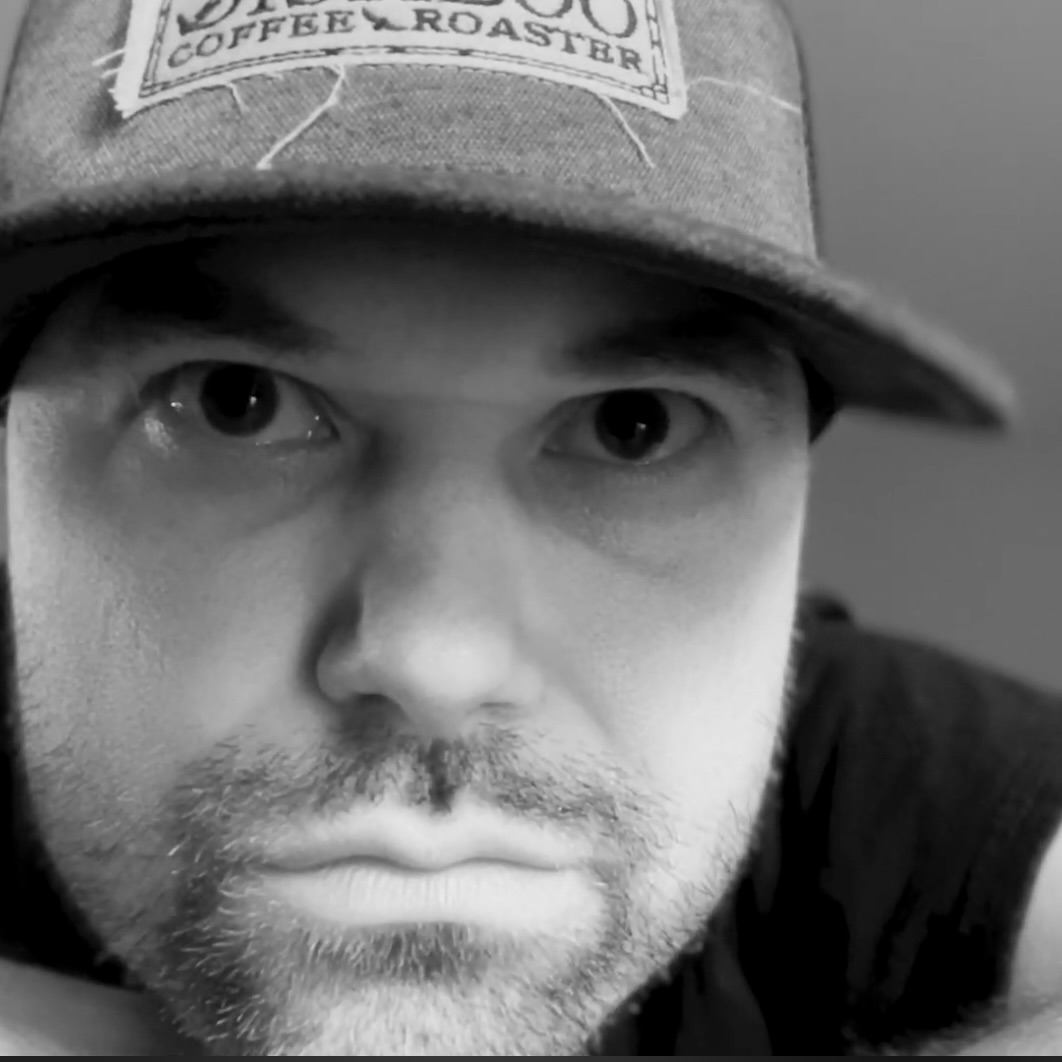
Jamie Lee Patterson is a Canadian international singer-songwriter, producer and independent artist whose music has developed over more than 25 years of writing, recording and performing.
His musical journey began in Nova Scotia, where he became involved in the underground alternative music scene and formed 7th Sign in the late 1990s. The project eventually evolved into My Dog Ego, a Halifax three-piece featuring Patterson on lead vocals and drums, John Longley on guitar and Clark McMillan on bass.
My Dog Ego developed a reputation for loud, raw performances and a deliberately unpolished sound. The band released music independently, including their 2005 self-titled release and the 2007 album Fix. Much of the band’s approach was rooted in doing things themselves, from recording and production to releasing their own physical music.
That independent spirit has remained at the centre of Patterson’s work.
Over the years, he has performed internationally across Europe, Central America, Southeast Asia and Canada, while continuing to write and record music that moves between alternative rock, punk, folk, acoustic songwriting and lo-fi experimentation.
Today, Patterson works independently through Crooked Castle Studios, where he records, produces and develops his own music while collaborating with artists and musicians from around the world.
His catalogue stretches across decades and includes songs such as “Dear Jane,” “MEDICATION,” “Soon It Will Be,” “Fat Car” and “Sick of It.” Some are newly recorded productions, while others are recordings from his personal archive that have been revisited years later.
That history is an important part of Patterson’s identity as an artist. He doesn’t see his earlier recordings as something to erase in favour of newer work. The old tapes, unfinished songs and different versions of his music remain part of the story.
His songwriting has also become increasingly connected to questions about war, human rights, politics, social division, memory and the human condition. But underneath those subjects is a consistent belief in the importance of connection and community.
Patterson remains fiercely independent. He records outside the traditional music industry system, works with musicians wherever they are in the world, and continues to release music on his own terms.
From underground Halifax rock clubs to international performances and home-recorded four-track tapes, Jamie Lee Patterson’s career has never followed a straight line.
That may be the point.
He continues to write, record and perform because there are still songs left to make.
Jamie Lee Patterson is an independent artist with a long history, a growing archive and no intention of slowing down.
Jamie Lee Patterson: The Music, the Politics and the Stories Behind the Songs
There is usually a story behind a Jamie Lee Patterson song.
Sometimes it begins with an old tape.
Sometimes it starts with something happening in the world that becomes impossible to ignore.
And sometimes a song simply refuses to go away.
Patterson’s music has always moved between the personal and the political. Love, loss, memory, war, injustice, identity and the strange ways people treat one another all find their way into his songwriting.
One of the clearest examples is “MEDICATION.” Patterson originally wrote the song on March 20, 2003, after learning that the bombing of Iraq had begun. The song came together quickly, recorded in the immediate aftermath of the news.
Years later, Patterson returned to the recording and rebuilt it for a new generation. The song’s central idea remained intact: a society capable of creating enormous trauma can also become remarkably comfortable with finding ways to numb it.
“Dear Jane” represents another side of Patterson’s songwriting history. Written in 1998, the song has existed in numerous forms over the years, passing through different bands, recordings and arrangements. Rather than abandoning it, Patterson continued returning to it until he finally found a version that felt right.
Other songs come from completely different places.
“Fat Car” comes from the world of four-track recording and the raw independence of Patterson’s earlier work. “Soon It Will Be” carries a more intimate and hopeful quality, connecting personal experience with ideas of peace, community and human connection.
Then there is “Sick of It,” which turns inward. Instead of simply blaming governments, corporations or society, the song examines the human ego and the ways pride, fear, greed and division can influence our behaviour.
That tension runs throughout Patterson’s work.
He is interested in what happens in the world, but he is equally interested in what happens inside people.
His political songwriting comes from that place. It isn’t separated from his personal life or his experiences as a musician. For Patterson, music is one of the ways people can question what they have been told, confront uncomfortable subjects and remain connected to one another.
That doesn’t mean every song is political.
Some are simply about love.
Some are about memory.
Some are about getting older.
Some are about looking back at something recorded decades ago and wondering who the person was that made it.
That mixture is what makes Patterson’s catalogue difficult to put into one category.
The recordings move between alternative rock, punk, folk, acoustic music and lo-fi experimentation. Some tracks are carefully produced in the studio. Others deliberately retain the imperfections of live or four-track recording.
Patterson also continues to collaborate with musicians and artists from around the world, bringing different voices and musical backgrounds into his work.
The result is a catalogue that feels less like a carefully planned career and more like an ongoing document of a life spent making music.
Old songs are rediscovered.
New songs appear.
Past recordings are rebuilt.
Different musicians enter the picture.
And the questions keep changing.
But the underlying idea remains surprisingly consistent:
Music should mean something.
For Jamie Lee Patterson, the song doesn’t have to be perfect.
It just has to be honest enough to make someone stop and listen.
Use “Medication”.
Play it at rallies, protests, in reels, in stories, in coffee shops anywhere in the world.
I wrote it on March 20, 2003, and I haven’t stopped screaming it since.
It’s out everywhere. Find it, share it, pass it on.
If you can, skip Spotify.
✊
Jamie Lee Patterson
DON’T FEED THE BAD WOLF
It isn’t just a record to me.
It’s something I had to say.
These songs weren’t written at the same time, but they come from the same place. Over the years, they started to feel connected, like pieces of the same conversation. Sometimes it’s clear, sometimes it’s a bit cryptic, but it’s honest all the way through.
The record opens with “Medication.”
That song wasn’t planned. It came out of a moment I couldn’t ignore. It’s raw and immediate, and it sets the tone for everything that follows. It’s not meant to be comfortable. It’s meant to be felt.
And then it moves into “Soon It Will Be.”
There’s no real break between the two. It just shifts. Where “Medication” is tension, “Soon It Will Be” is a kind of release. Not an answer, but a breath. It carries everything from the first track but reaches for something more human, something hopeful.
That transition is really the heart of the record for me.
There’s also a moment in the record, “Hidden Anarchy in the Woven Flower,” that stands apart. That was the point of creation for me. It wasn’t something I constructed or revisited. It happened once, and I’ve never played it again since. It exists exactly as it was in that moment.
The whole album lives in that space between confrontation and connection. It doesn’t try to wrap things up neatly. It just tells the truth as I hear it.
That’s what DON’T FEED THE BAD WOLF is.
Take from it what you need.
A Love Letter to New York: “Soon It Will Be” Arrives on New Year’s Eve
As New York moves toward another year, the city carries its familiar mix of activism, tension, hope, and the stubborn belief that things can still get better. Singer-songwriter and producer Jamie Lee Patterson is preparing to release a song shaped by that spirit. “Soon It Will Be,” arriving December 31 at 11:11 AM, is a quiet love letter to the city — reflective, human, and built on collaboration rather than ego.
Though written years ago on Commercial Drive, the song finds its true meaning now, landing at a moment when New Yorkers are once again pushing for fairness, truth, and a future worth fighting for. Patterson isn’t positioning himself as a spokesperson or leader. Instead, he offers a piece of music shaped by the people, stories, and acts of unity he continues to witness around him.
What gives the track its depth is the group of artists who helped bring it fully into focus.
A Global Collaboration
Tim MacNeill — Co-Producer, Guitar, Bass & Harmony Vocals
A driving force behind the East Coast band Arlibido, Tim MacNeill brings instinct and restraint to the recording. What began as an exchange of ideas between friends became a true co-production. His guitar and bass work, sonic shaping, and harmony vocals provide the song’s pulse — grounding it without ever overshadowing its intimacy.
Polina Faustova — Ukrainian Cellist (Based in Spain)
Ukrainian cellist Polina Faustova adds emotional weight through restrained, cinematic cello lines. Her playing carries grief, hope, and distance in equal measure, expanding the song’s atmosphere while preserving its quiet core.
Stephanie-Nicole — Vocals (Southern California)
From Southern California, Stephanie-Nicole delivers the subtle but transformative vocal lift that defines the song’s final movement. Her tone brings clarity and warmth, creating the moment where the track opens up and breathes.
“On headphones, you can hear Stephanie-Nicole’s soul in the spaces between notes — the quiet intake of breath that makes the performance feel present, human, and alive.”
Together, the collaborators create a recording that feels transnational in the best sense — artists separated by oceans but united by purpose.
A Song Released at the Right Moment
Produced at Crooked Castle Studios, “Soon It Will Be” sits between indie rock, folk-spirituality, and emotional storytelling. It isn’t flashy or built for virality. It’s meant for headphones, winter light, and listeners who need a reminder that small acts of compassion still matter.
The release aligns with a city continuing to push for social change — a movement Patterson has been quietly observing and learning from. The timing isn’t a marketing gesture. It’s intentional. New Year’s Eve carries a collective pause, and the song is meant to exist inside that moment.
“Soon It Will Be” isn’t trying to be an anthem. It simply aims to meet people where they are — and maybe move them a little closer to one another.
A Shared Creation, Released Into a Shared World
What makes the track stand out is how unforced it feels. The emotion is earned. The performances are grounded. The release feels less like a statement and more like a gesture — something offered honestly to a city that has shaped generations of artists, movements, and communities.
As 2026 approaches, New Yorkers may find in this song exactly what was intended: not a message or a rallying cry, but a moment of recognition, warmth, and connection.
“Soon It Will Be” releases December 31 at 11:11 AM.
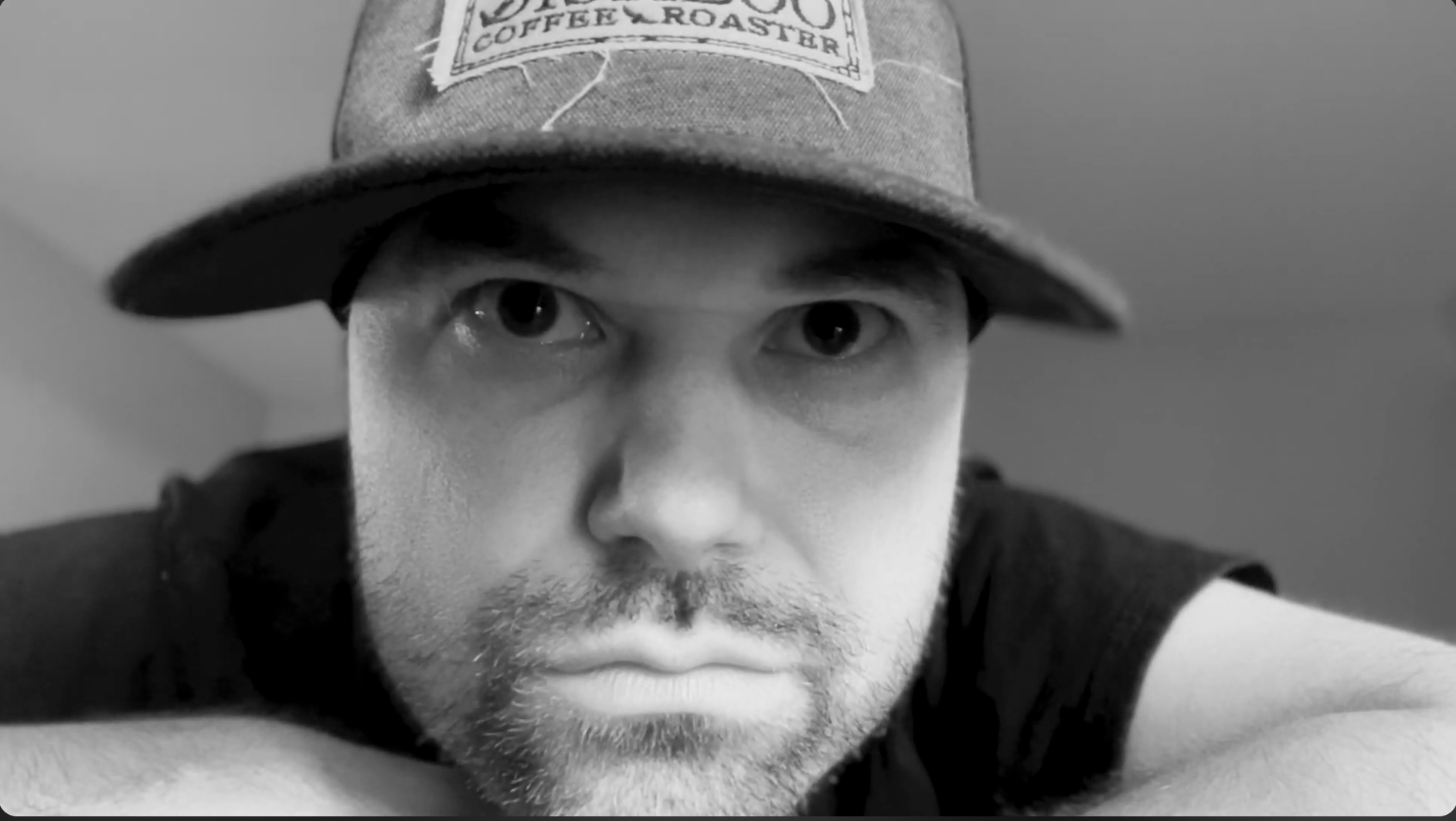
Jamie Lee Patterson is a Canadian singer-songwriter, producer, and uncompromising voice in modern protest music. Rising from the underground with a sound that rejects polish and permission, Patterson crafts raw, emotionally charged work powered by lo-fi grit, classic rock energy, and the urgency of punk. His music doesn’t chase the mainstream – it chases truth.
In 2025, Patterson re-emerged with renewed intensity. He revived his 2003 track “MEDICATION,” transforming it into “MEDICATION (REVOLUTION NOW!)” – a heavier, louder, and deliberately unfiltered anthem reshaped as a global call to action. He followed it with the philosophically driven Thales of Miletus, reinforcing his refusal to separate music from meaning.
Patterson creates from his self-built stronghold, Crooked Castle Studios – a combination recording space and resistance hub. Inside its walls, he reshapes his catalogue, collaborates across borders, and develops new protest-minded, emotionally fearless material. Crooked Castle stands as an independent alternative to the traditional label system: a sanctuary for music that pushes back rather than plays along.
Known for explosive honesty and zero compromise, Patterson’s work moves between vulnerability and rebellion. Whether confronting grief, societal collapse, love, or existential doubt, he delivers every line with the conviction of someone who’s lived it.
With a growing catalogue and a sharpened artistic identity, Jamie Lee Patterson stands as one of Canada’s most unapologetic contemporary songwriters – a firebrand using sound as both shelter and warning shot.
MEDICATION (REVOLUTION NOW!) [REMASTERED]
I’m sick of watching the world suffocate under lies, greed, and hollow distractions. Medication was my scream into the void years ago—this remaster tears the bandages off. Louder. Meaner. No filters. No apologies.
Play it until your neighbors complain. Play it until the walls shake. Play it until you remember you’re still alive.
We don’t need more sedation—we need a wake-up call. A spark. A reckoning. And it starts right now.
– Jamie
In collaboration with the musicians who inspired my music journey and a special guest, I invite everyone to embrace the new year with a refreshed and amplified version of my song, “Eudora.” Originally inspired by my grandmother, this heartfelt piece embodies compassion and hope during challenging times.
This new version showcases a collaboration with my father’s band, Otis Wack, known as Eudora since 1974—celebrating their 50th anniversary this year! It features my father, Patrick Perry Patterson, on drums, alongside Ron Elliott on bass and Wade Calnek on lead guitar. This project honors our family legacy and highlights the enduring power of music across generations.
I am excited to have LA-based vocalist Stephanie Nicole, whose soulful voice enriches the track. “Eudora” was recorded at Crooked Castle Studios and mixed by renowned Toronto producer Dan Hosh. The video was filmed by Dan Fatu in Brighton, England, and reedited at Crooked Castle Studios.
I look forward to sharing this inspiring rendition with you all!
“I am deeply inspired and grateful to the South Shore Ceasefire Now for organizing rallies against the heinous act of genocide. Their tireless efforts to raise awareness and mobilize the community against such atrocities are truly commendable.” – Jamie Lee Patterson Rally: January 14th, 2024 – HOSTED BY SSCN
This is my artistic “macro real-time view of humanity,” a broad perspective of us as a whole. In my song “Sick of It,” I highlight how the ego has a pervasive influence on me and everyone else, and the considerable effort it takes to overcome it. I express my exasperation and frustration with the way we treat each other and engage in wars that only deepen division and cause suffering. My message is that we are not yet ready to wake up and recognize our faults as a species.
0:00 – Eudora 5:15 – Our Kid’s Rights 9:05 – Callihoo 10:20 – The Fool
LOVE WILL FREE THE WORLD!!! The inspiration for Eudora, a project close to my heart, came from my grandmother Eudora Ileen Patterson. She was diagnosed with dementia in 2015, which led me to reflect on life and humanity. I found solace in reminiscing about my childhood and her wise words. Eudora serves as a reminder to listen to one another and to examine our relationships with ourselves, our communities, and the planet. To address the challenges we face, we must come from a place of love. In February 2017, I recorded my album A Search for a Sunny Day Project at Catherine North Studios in Hamilton, Ontario. Recently, while living in the UK, I met the talented Dan Fatu who produced this video. On a beautiful spring afternoon in Brighton, we brought together friends and volunteers from around the world who have dedicated their lives to spreading understanding, solidarity, and love through various means such as protest, poetry, teaching, organizing, and music. I am grateful for each participant’s unique contribution and invite you to watch the video and share some love. Thank you to Dan Fatu, and Catherine North Studios for their involvement in this project.
BASTARD BANNER MEDIA PRESENTS
JAMIE LEE PATTERSON: THE SONGS JUST COME OUT
An interview with an independent songwriter, musician, and recording artist whose career has stretched from the East Coast music scene of the late 1990s to Brighton, England — and whose archive still contains nearly thirty years of unfinished, unreleased, and forgotten music.
BASTARD BANNER MEDIA:
You’ve been making music for nearly three decades. When you look back, where does the story really begin?
JAMIE LEE PATTERSON:
For me, it really starts around 1999.
I was writing constantly. I was in 7th Sign, and we were playing all over the East Coast. We played the East Coast Music Awards in 2000 and 2001, in Cape Breton and Prince Edward Island.
We were actually scouted by René Leblanc from Donnell Productions, and Aquarius Records was looking at us around that period too. That was right before 7th Sign eventually fell apart.
At that point I was writing more songs than I knew what to do with.
BASTARD BANNER MEDIA:
What happened after 7th Sign?
JAMIE LEE PATTERSON:
I ended up in Alberta and got involved with Athanasia. When Athanasia broke up, John Longley called me and My Dog Ego came back together in Ontario.
I actually flew out from Alberta.
That’s where Clark McMillan came into the picture. Clark wasn’t in 7th Sign. He was a friend of mine in Alberta. He was just learning guitar, and he had this really raw way of playing.
He was left-handed, like Longley, and something about the way he played reminded me of John.
So I convinced Longley to let Clark come to Toronto and see if we could convince him to become our bass player.
Longley was pretty hesitant because he could hear Clark upstairs playing guitar and singing, and it wasn’t exactly polished.
I told him, “No, trust me. With your guidance, he’ll be a great bass player.”
And he was.
BASTARD BANNER MEDIA:
What happened to Clark’s playing?
JAMIE LEE PATTERSON:
He worked his ass off.
He took bass lessons, developed his own artistic skills, and really committed himself to it.
By the time we recorded Fix, which became our second and final album, the bass was intensely prominent.
I’m really proud of Clark for that.
If it wasn’t for Clark’s bass on that record, it would just be a boring piece of shit.
BASTARD BANNER MEDIA:
My Dog Ego played extensively throughout the Maritimes.
JAMIE LEE PATTERSON:
Yeah. We played all over.
Halifax, the Annapolis Valley, the Attic, Gus’s Pub, the Seahorse — all those places that were part of that scene.
It was a real working band. We were out there playing.
BASTARD BANNER MEDIA:
You continued recording and collaborating long after those early bands.
JAMIE LEE PATTERSON:
Yeah. There are a lot of people who’ve crossed through the music over the years.
The Rumor to Be Alive sessions were recorded in 2008 with Nicholas Don Rushton, engineered by Sam Lane.
Then in July 2012, Julia Falcom, Chantal Doran and I recorded Nada After the Aftermath at Coda Pop Studios.
In 2014 I headlined the International Day of Peace festival for the United Nations University for Peace, where I performed “Soon It Will Be” live for the first time.
Then in February 2017 I recorded A Search for a Sunny Day Project live off the floor at Catherine North Studios with Dan Hosh.
BASTARD BANNER MEDIA:
And then you moved to Brighton.
JAMIE LEE PATTERSON:
Yeah. I relocated to Brighton, England, in 2018.
I performed around Sussex, and I filmed a video for “Eudora” with Dan Fatu and volunteers from the University of Sussex.
The following year, in 2019, I had the video release at the Railway Inn in Brighton and Hove, in Portslade.
That was another completely different chapter of my life.
BASTARD BANNER MEDIA:
Your music has become increasingly associated with politics. Did you consciously decide to become a political songwriter?
JAMIE LEE PATTERSON:
No.
That’s actually one of the biggest misconceptions about my music.
I haven’t written an actual political song since “Plan A Seed,” which I wrote in 2019.
The other songs became political because I was reacting to something.
I don’t pick up the guitar and say, “Hey, I’m going to write a political song.”
Something happens. I hear something. I get pissed off. Or I’m incredibly happy. Or I’m in some intense creative state.
And I pick up the guitar.
That’s when the song happens.
BASTARD BANNER MEDIA:
So the politics aren’t necessarily the subject?
JAMIE LEE PATTERSON:
No. They’re part of the energy.
If I’m frustrated about something happening in the world, that frustration might turn into a song.
It might start with Donald Trump and end up being about something completely different.
It isn’t necessarily a conscious decision.
The songs just come out.
BASTARD BANNER MEDIA:
“Medication” is probably the clearest example of that.
JAMIE LEE PATTERSON:
I wrote “Medication” on March 20, 2003 — the day the United States invaded Iraq.
At that time I was the chaotic punk rocker.
I was beating the hell out of an acoustic guitar, and I was still using a pick.
I haven’t really used a pick since around 2003.
If you listen to those old recordings, the acoustic guitar is aggressive, abrasive and fast.
That’s not how I play acoustic anymore.
Now I’d probably play it with more groove. A little more seduction.
But if I grabbed a Les Paul, put some drums and bass behind it, we’d just rip through it as an alternative-rock song.
BASTARD BANNER MEDIA:
You’ve recently returned to some of that heavier material.
JAMIE LEE PATTERSON:
During the pandemic I slowed down a lot. I did a lot of writing.
As I became increasingly angry about what was happening in Palestine and Israel, I started going deeper into the political side of my art again.
But these weren’t songs I was suddenly writing because everybody else was doing it.
They were already there.
“Medication” had been sitting there since 2003.
I still love playing that song acoustically.
I write everything on the fucking acoustic anyway.
BASTARD BANNER MEDIA:
Yet you describe your music as pop.
JAMIE LEE PATTERSON:
It is.
I know I’m writing pop, even though it’s disguised in alternative music and political viewpoints.
Pop songs are simple.
I usually want guitar, bass and vocals.
When my dad recorded the drums for “Medication,” I actually told him he wasn’t allowed to hit any toms.
I said, “You can do simple work, but you’re not allowed to do any tom work.”
Partly because if we keep it simple, there’s less room for error.
But that’s also how I think about songwriting.
You don’t need to complicate something that already works.
BASTARD BANNER MEDIA:
You’ve mentioned that you have an enormous amount of old material.
JAMIE LEE PATTERSON:
I’ve got about thirty years’ worth of material that I could potentially release.
Back in 1999 and 2003, I was writing more songs than I knew what to do with.
Now I might write something really good once a year.
But I’ve got all these old home demos sitting on tape.
Some of them are so low-fidelity they won’t even play properly through a Bose speaker.
And that’s fucking cool.
BASTARD BANNER MEDIA:
Why?
JAMIE LEE PATTERSON:
Because people are entering an era where they don’t want to be fooled by AI.
Those tapes are obviously human.
They’re imperfect.
You can hear the development of the artist.
You can hear me figuring shit out.
If I’m willing to show that vulnerability, there’s almost thirty years of artistic development sitting there.
I think there’s value in that.
BASTARD BANNER MEDIA:
Do you have a plan for what you’re going to release?
JAMIE LEE PATTERSON:
Not really.
I kind of wake up and go with my gut.
Look at “Jolene.”
That just made sense.
I felt like I needed to get it out as soon as possible. Otherwise it wasn’t necessarily going to have the same impact or relevance.
That’s how I tend to operate.
BASTARD BANNER MEDIA:
So after all these years, what’s actually driving the music?
JAMIE LEE PATTERSON:
I don’t know.
That’s the honest answer.
It’s random.
Sometimes it’s frustration.
Sometimes it’s joy.
Sometimes it’s this extreme creative energy.
Sometimes I just need to get something out.
The only time I’ve really sat down with a predetermined statement was when I intentionally wrote “David in the Time of Waking” for my Uncle David.
Otherwise, I don’t really plan the message.
I pick up the guitar because something is happening inside me.
And then I see what happens.
BASTARD BANNER MEDIA:
After nearly thirty years, what do you think you’ve learned about yourself as a songwriter?
JAMIE LEE PATTERSON:
That I’m still the same person.
The music changes.
The production changes.
The guitar changes.
My politics develop.
My life changes.
But the fundamental thing is still the same.
I pick up an acoustic guitar.
I feel something.
And a song comes out.
BASTARD BANNER MEDIA
Jamie Lee Patterson: The Archive Is Still Alive
From 7th Sign and the East Coast Music Awards, through Athanasia and My Dog Ego, to Nada After the Aftermath, A Search for a Sunny Day Project, Brighton, “Medication,” “Plan A Seed,” “Eudora,” and the mountains of cassette recordings still waiting to be heard, Jamie Lee Patterson’s story isn’t really a finished discography.
It’s an ongoing archive.
Three decades of songs, experiments, collaborations, live performances and imperfect recordings — with no guarantee that the next song will come from anger, joy, politics, memory, or nowhere in particular.
Because Patterson doesn’t seem to write songs by deciding what he wants to say.
He picks up the guitar and finds out.
1997 — 7th Sign
- Formed in Wolfville, NS
- Jamie Lee Patterson — vocals/drums
- Early demos and recordings
- East Coast music scene
1998 — Home Grown
- Independent music festival, Wolfville
- 7th Sign, Athanasia, Burnt Black, Rhythm Seed
- Proceeds donated to local youth centre
- “Dear Jane” written
2003 — Athanasia
- Alberta
- Jamie — vocals
- Dave — guitar
- Colin — bass
- “MEDICATION” written March 20, 2003
- First performed with Athanasia
2005–2007 — My Dog Ego
- Halifax
- Jamie — vocals/drums
- John Longley — guitar
- Clark McMillan — bass
- My Dog Ego (2005)
- Fix (2007)
2015 — Eudora
- Grandmother Eudora diagnosed with dementia
- “Eudora” recorded as lo-fi home recording
2017 — Catherine North
- A Search for a Sunny Day Project
- Recorded at Catherine North Studios
- Dan Hosh — recording
- Stephen Pitkin — mastering
- Clark McMillan — artwork
2019 — Brighton
- UK
- “Eudora” visual project
- Dan Fatu — filmmaker
- International activist collaboration
- Railway Inn live recording
2024 — Eudora / 50 Years
- 50th anniversary of father’s 1974 band
- Patrick Perry Patterson — drums
- Ron Elliott — bass
- Wade Calnek — guitar
- Stephanie Nicole — vocals
- Dan Hosh — mix
2025 — Archive / Remasters
- “MEDICATION”
- “Creative Thoughts (Athanasia 2003)”
- “Closer (Tape Deck – 1999)”
- “BULLSHIT (Tape Recorder 1999)”
- Soon It Will Be
- Additional archival releases
2026 — DON’T FEED THE BAD WOLF
- 15-song collection
- Crooked Castle Studios
- Combines archival and contemporary recordings
- Continued release of early tape recordings and remasters